
Key Takeaways
- 01Your existing lawn care customer list is the asset — selling a winter service to a current client costs almost nothing compared to finding a new one
- 02Snow removal is the highest-demand winter service in cold climates, and you can start with a plow attachment or even a snowblower before investing in dedicated equipment
- 03Gutter cleaning typically bills $120–$230 per visit for a single-family home, and most jobs use equipment you already own
- 04Holiday light installation needs upfront planning — wholesale materials, added insurance, and a cap on how many installs your crew can handle in a tight window
- 05Start selling winter services in September and October, before the first snowfall, so customers sign on before your competitors call them
The U.S. landscaping industry counts over half a million businesses and more than a million workers, by most industry estimates — and nearly all of them face the same problem every year: the phone goes quiet when the ground freezes.
If you run a landscaping or lawn care business, you already know the work is seasonal. The question of what landscapers do in the winter comes up the moment temperatures drop and the mowers get put away for the year.
The best way to keep money coming in through the slow season is to expand what you offer. Winter services do more than bridge the gap — they put you in front of new customers who may become loyal spring and summer clients, and they keep your best crew members employed so they're still with you at first cut.
Here are nine ways to keep cash flowing through your landscaping business all winter.
9 Services Landscaping Contractors Can Offer in Winter
1. Snow removal
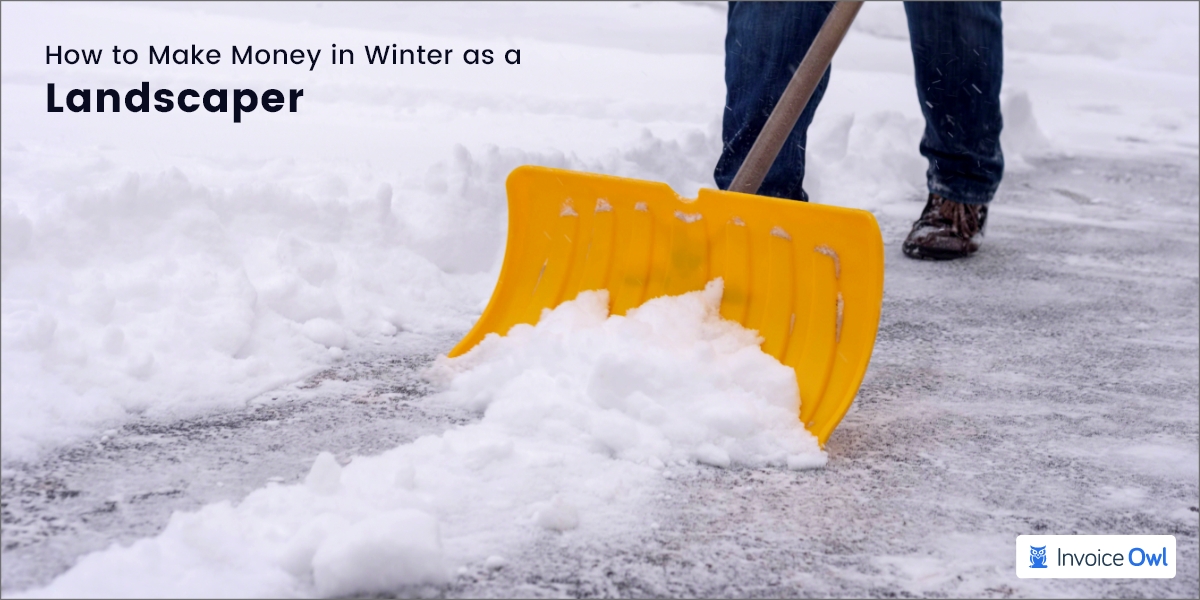
While lawn maintenance may not be in high demand during the winter, snow removal certainly is once the snow starts to fall. If you have the capital, a plow for the front of one of your trucks is a solid investment. If not, a snowblower — or a shovel and some elbow grease — is enough to take on residential driveways and walkways while you test the market.
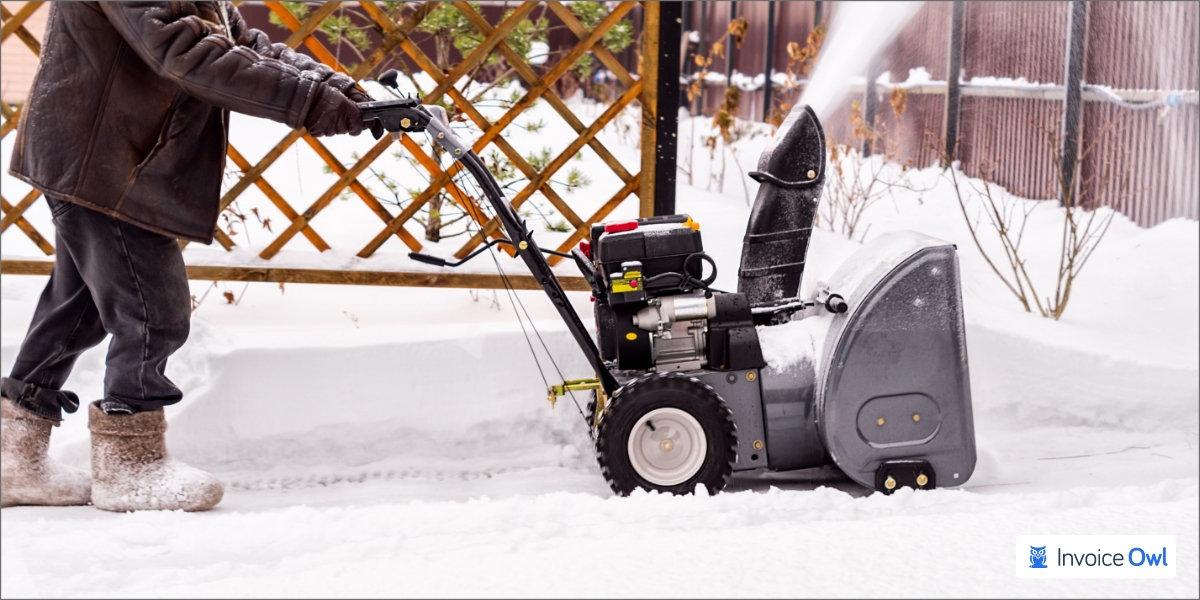
Like lawn care, snow removal is a job many homeowners simply don't want to do themselves. Between work, family, and everything else, most people would rather pay someone than spend the morning after a snowfall clearing the driveway. Before you quote your first job, work through how much to charge for snow removal — per-push, per-event, and seasonal contracts price very differently — and put every agreement in a written snow removal contract so there's no argument about what counts as a visit.
As a landscaper, you already have a clientele — a huge advantage when expanding into snow removal. There's no need to start from scratch: email the same list you use for mowing schedules and tell them you clear driveways and plow parking lots in the off-season. A customer who already trusts you with their lawn is the easiest winter sale you'll ever make.
2. Gutter cleaning services
Gutter cleaning is a natural winter add-on for landscapers. Clogged gutters cause ice dams and water damage, so the work needs doing before and during winter — and plenty of homeowners are unable or unwilling to get on a ladder themselves.
The appealing part is that you can generally use equipment you already own. Nationally, a professional gutter cleaning on a typical single-family home runs about $120–$230 per visit as of 2026, with two-story homes toward the top of that range — meaningful revenue for a couple of hours of work you can schedule between snow events.
3. Leaf removal
Leaf removal is the best way to earn in the off-season without relying on snowfall. Raking and hauling leaves is a lot of work, so many clients are happy to pay someone to do it for them. Demand peaks in the fall, but customers often need cleanups well into winter.
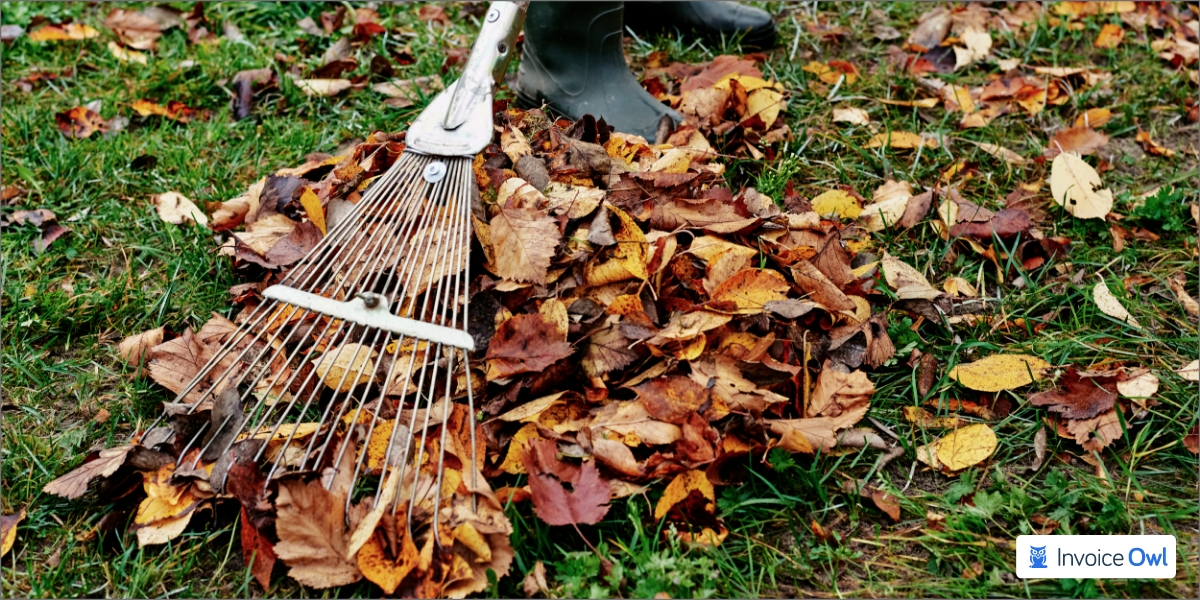
This service can provide steady repeat revenue. Some customers want a single cleanup; others need several visits across the season. A client with a large, tree-heavy property can keep you busy the entire fall — and that's a good candidate for a package deal rather than per-visit billing.
4. Installing and removing holiday lights
Many lawn care companies offer holiday light installation and removal. Before you start, know that this service costs more up front and needs more planning than other off-season work.
You'll need to buy materials from a wholesaler you trust, and you should confirm your insurance covers roof and ladder work at height. Timing is unforgiving: installations compress into a few weeks around Thanksgiving and removals into early January. Accept only as many installs as your crew can realistically finish — an overbooked calendar in December costs you spring customers.
Done well, holiday lighting is lucrative and extremely visible: every installation is a nightly advertisement in the customer's front yard, and referrals spread fast through a neighborhood.
5. Pressure washing

Patios, decks, fences, and siding collect a summer's worth of grime, and those surfaces are best cleaned before winter freezes set in. Most households don't own a pressure washer, and those that do rarely find the time to use it — which is why they'll pay a pro.
Pressure washing is a natural upsell when you're already at a property doing leaf removal. Promote it to your existing list, and price pressure washing jobs by the square foot or the surface type rather than guessing a flat number.
6. Mulching
Mulching before winter shields plant roots from freezing temperatures. Despite the clear benefit to the plants, many homeowners find mulching laborious and time-consuming — exactly the kind of job they'd rather hand to a professional.
Someone who already pays you to maintain their lawn will usually say yes to protecting that investment through the winter. Mulch itself is relatively inexpensive — labor makes up most of what you charge — so margins are healthy, and the work sells to residential and commercial clients alike.
7. Dormant-season weed and bed cleanup
Late winter is the right time to get ahead of spring weeds. Clearing dead plants and invasive growth, cutting back beds, and applying pre-emergent treatments before the spring flush means your clients' properties green up clean — and it fills your schedule in the slowest weeks of the year.
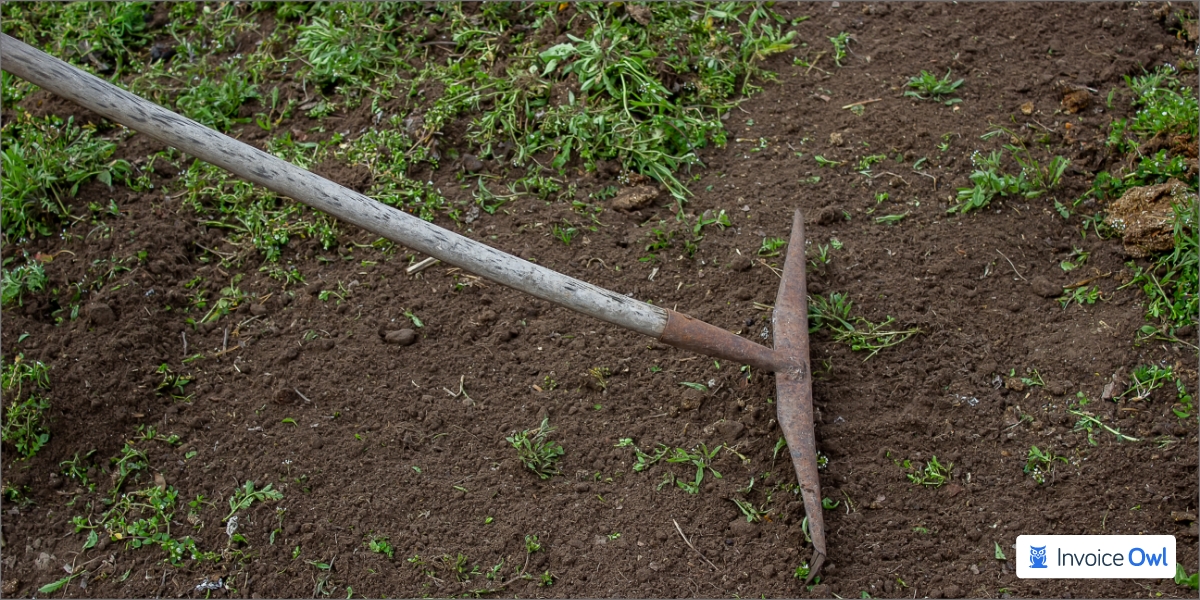
Sell it as spring prep: the customer who pays for a dormant-season cleanup in February is also the first customer on your mowing list in April. Check which treatments are appropriate for your region and climate — timing varies a lot between the Sun Belt and the Snow Belt.
8. Winter lawn prep
When temperatures drop, lawns need treatment to stay healthy through the cold — and clients who pay you to maintain their lawn in summer will usually pay to protect that investment in winter. You already own every tool the work requires.
Winterizing can include a final short mow, aeration, overseeding in the right climates, winter fertilizer, and protecting shrubs. You can sell all-inclusive winter prep packages or offer the services à la carte — packages are easier to quote and smooth out your cash flow.
9. Get ready for the next lawn care season
Use the quiet winter months to review the season you just finished and sharpen your business plan for the next one. Start bidding commercial contracts early, and take on the time-consuming work — hiring, training, marketing — that there's never time for in June.
The only way to stand out is to offer the highest-quality lawn care and landscaping services — and that takes a crew that's trained before the first cut, not during it. Winter is also the time to fix what annoyed you all summer: tighten up your quoting with an estimate generator, and work on keeping the clients you already have rather than replacing them every spring.
Get Payments Faster All Winter Long
Take on as many winter landscaping jobs as you want and send professional invoices without limitation. InvoiceOwl helps you create accurate estimates and invoices to win more jobs and get paid faster.
Start Your FREE TrialFrequently Asked Questions
Yes — landscapers who diversify work year-round. The most common winter services are snow removal, gutter cleaning, leaf removal, holiday light installation, pressure washing, mulching, dormant-season weed control, and winter lawn prep. Many also use the off-season for hiring, training, and bidding next year's commercial contracts.
September and October. Customers sign snow removal contracts before the first storm, gutters need cleaning after the leaves drop, and holiday lighting books up weeks before Thanksgiving. If you wait until the first snowfall to tell your list you plow driveways, your competitors already have the contracts.
It varies by region and service mix, but the per-job numbers are real: gutter cleaning typically bills $120–$230 per visit for a single-family home, snow removal pays per push or by seasonal contract, and holiday lighting commands strong margins because few companies offer it. The bigger win is keeping revenue and crew intact through months that would otherwise produce nothing — see our guide on what to charge for snow removal for detailed pricing.
Yes, in the right climate. The dormant season is the time to clear dead growth and apply pre-emergent treatments so weeds don't take over in spring. In northern climates the window is late winter into early spring; in warmer regions it's a true winter service. Sell it as spring prep — it naturally leads into your mowing season.
Often, yes — check before you take the first job. Snow plowing in particular frequently requires added liability coverage (slip-and-fall claims are common), and roof or ladder work for holiday lights may not be covered by a basic landscaping policy. Talk to your insurer, and build the added cost into your winter pricing. Requirements vary by state and policy.
Conclusion
There's no shortage of work for landscapers in winter. Beyond snow removal, lawn care contractors have plenty of options for keeping revenue coming in all year — it takes some creativity, and more importantly, it takes selling early, before the season turns.
The operational side matters too. Winter work means new services, new pricing, and new invoices, and the slow season is the right time to get those systems in order rather than improvising during a snowstorm.
InvoiceOwl is easy-to-use mobile estimating and invoicing software built with simplicity in mind — create professional estimates and invoices for every winter service you add, from your truck. There's a free trial available, too.
Related Resources
How Much to Charge for Snow Removal: A Complete Guide
Don't have an ideas on how to charge your clients for your snow removal services? We have covered major aspects on how much to charge for snow removal.
Read more
Tips on How to Estimate Lawn Care
Offering your lawn mowing services at a good rate ensures you earn a decent profit. Learn how to estimate lawn care and price your services competitively.
Read more![How to Price Commercial Lawn Care [Contractors' Guide]](/images/2022/09/how-to-price-commercial-lawn-care.jpg)
How to Price Commercial Lawn Care [Contractors' Guide]
Learn how to price commercial lawn care business by following our comprehensive guide to price the commercial lawn care contract.
Read more
10 Steps On How to Setup a Profitable Landscaping Business
From concrete market research and drafting a business plan to pricing strategies and marketing tips, here's how to set up a profitable landscaping business.
Read more![How to Price Landscaping Jobs [7-Step Pricing Plan]](/images/2022/06/how-to-price-landscaping-jobs.jpg)
How to Price Landscaping Jobs [7-Step Pricing Plan]
Create a professional estimate by following the 7-step pricing plan for the landscaping jobs. These steps helps you make effective estimates and gets you more clients quickly.
Read more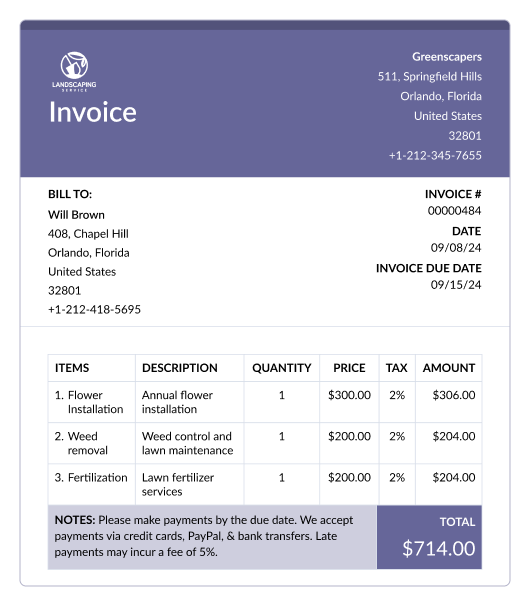
Landscaping Invoice Template
Landscaping Invoice Template
Read more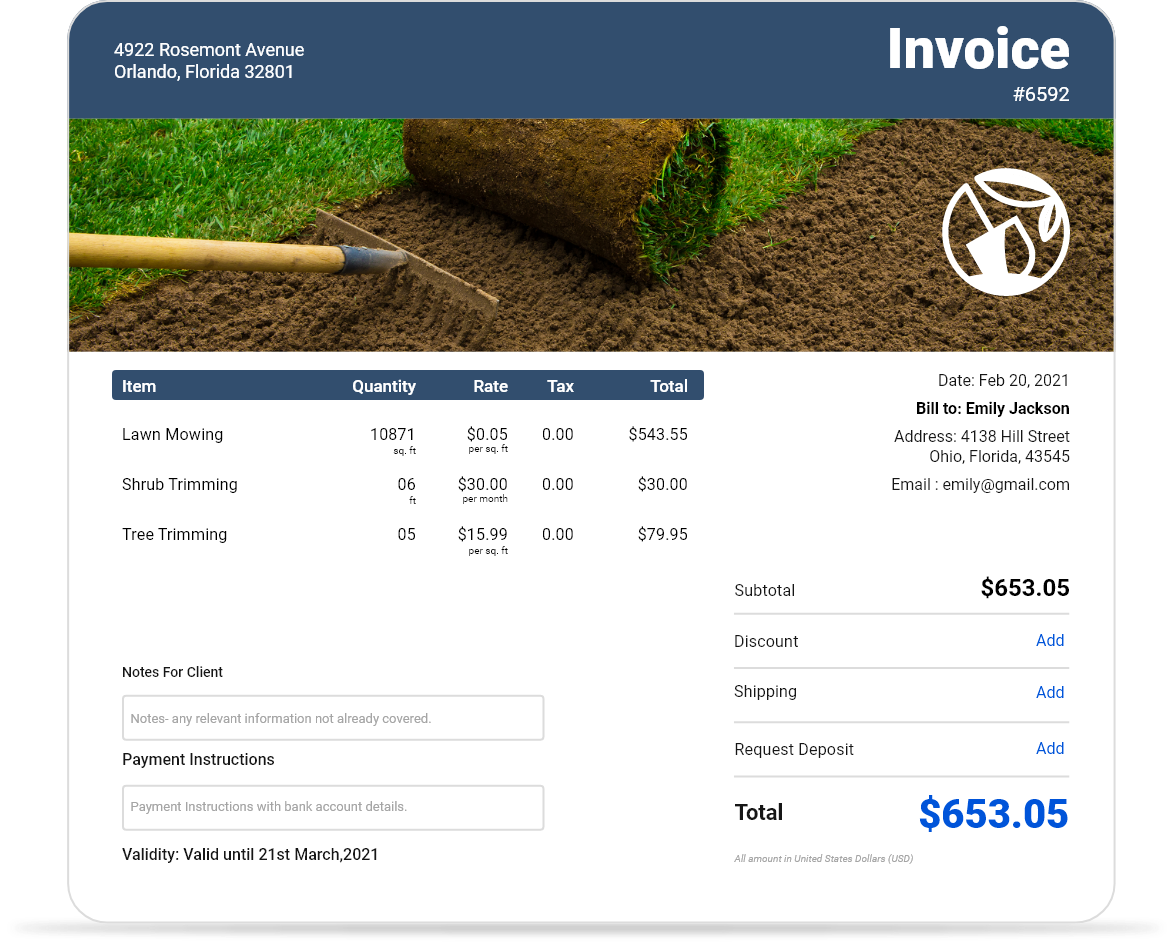
Lawn Care Invoice Template
Lawn Care Invoice Template
Read more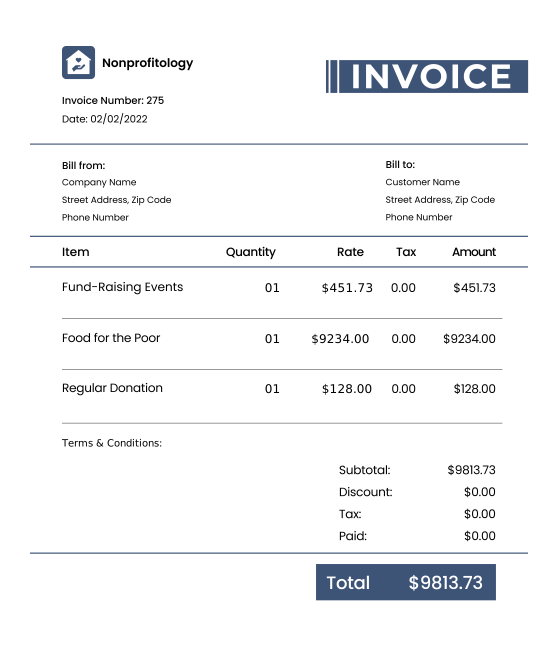
Non-profit Invoice Template
Non-profit Invoice Template
Read moreHow Much to Charge for Snow Removal: A Complete Guide
Don't have an ideas on how to charge your clients for your snow removal services? We have covered major aspects on how much to charge for snow removal.
Read moreTips on How to Estimate Lawn Care
Offering your lawn mowing services at a good rate ensures you earn a decent profit. Learn how to estimate lawn care and price your services competitively.
Read moreHow to Price Commercial Lawn Care [Contractors' Guide]
Learn how to price commercial lawn care business by following our comprehensive guide to price the commercial lawn care contract.
Read more10 Steps On How to Setup a Profitable Landscaping Business
From concrete market research and drafting a business plan to pricing strategies and marketing tips, here's how to set up a profitable landscaping business.
Read moreHow to Price Landscaping Jobs [7-Step Pricing Plan]
Create a professional estimate by following the 7-step pricing plan for the landscaping jobs. These steps helps you make effective estimates and gets you more clients quickly.
Read moreLandscaping Invoice Template
Landscaping Invoice Template
Read moreLawn Care Invoice Template
Lawn Care Invoice Template
Read moreNon-profit Invoice Template
Non-profit Invoice Template
Read moreHow Much to Charge for Snow Removal: A Complete Guide
Don't have an ideas on how to charge your clients for your snow removal services? We have covered major aspects on how much to charge for snow removal.
Read moreTips on How to Estimate Lawn Care
Offering your lawn mowing services at a good rate ensures you earn a decent profit. Learn how to estimate lawn care and price your services competitively.
Read moreHow to Price Commercial Lawn Care [Contractors' Guide]
Learn how to price commercial lawn care business by following our comprehensive guide to price the commercial lawn care contract.
Read more10 Steps On How to Setup a Profitable Landscaping Business
From concrete market research and drafting a business plan to pricing strategies and marketing tips, here's how to set up a profitable landscaping business.
Read moreHow to Price Landscaping Jobs [7-Step Pricing Plan]
Create a professional estimate by following the 7-step pricing plan for the landscaping jobs. These steps helps you make effective estimates and gets you more clients quickly.
Read moreLandscaping Invoice Template
Landscaping Invoice Template
Read moreLawn Care Invoice Template
Lawn Care Invoice Template
Read moreNon-profit Invoice Template
Non-profit Invoice Template
Read more